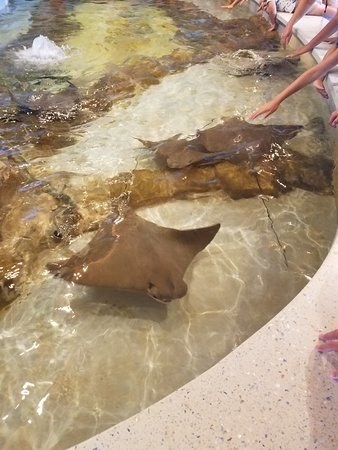
My official journey into aquatics started in 2015 at the touch tank at Turtle Back Zoo.
It was my first real introduction to aquarium systems and underwater life as a whole. I had always liked animals, but suddenly I was surrounded by creatures I knew almost nothing about, working with the systems that kept them alive. I wanted to understand both.
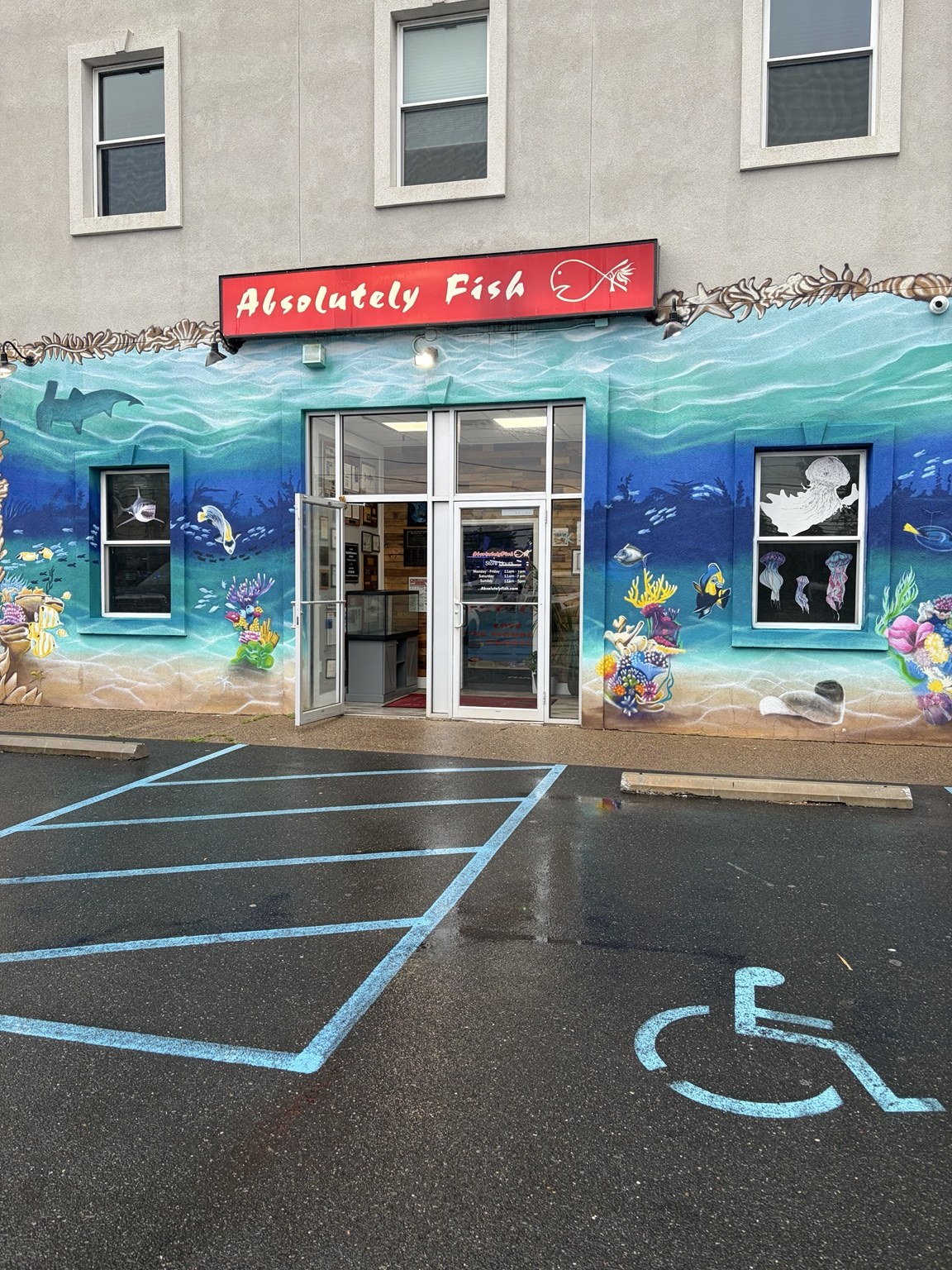
Absolutely Fish
That curiosity eventually brought me to Absolutely Fish, where Patrick Donston hired me while I was still young and gave me what was essentially my first real education in aquatics.
Patrick deserves some context here. In 2023, he received the World Pet Association's Pet Retailer Lifetime Achievement Award in the one-to-five-store category, as well as Pet Advocacy Network's Ambassador of the Year Award. His work has earned recognition well beyond New Jersey.
What mattered to me was that someone with that depth of experience was willing to invest in young people and actually teach them. Patrick expected you to understand the animals in your care. Taxonomy, ichthyology, chemistry, compatibility and husbandry weren't just trivia. They were part of doing the job correctly.
He gave me a foundation that I have carried into every aquarium job since. I owe a lot of the way I approach this work to him.
Somewhere in those years, liking fish turned into an obsession with understanding them.
California
Then I moved to California.
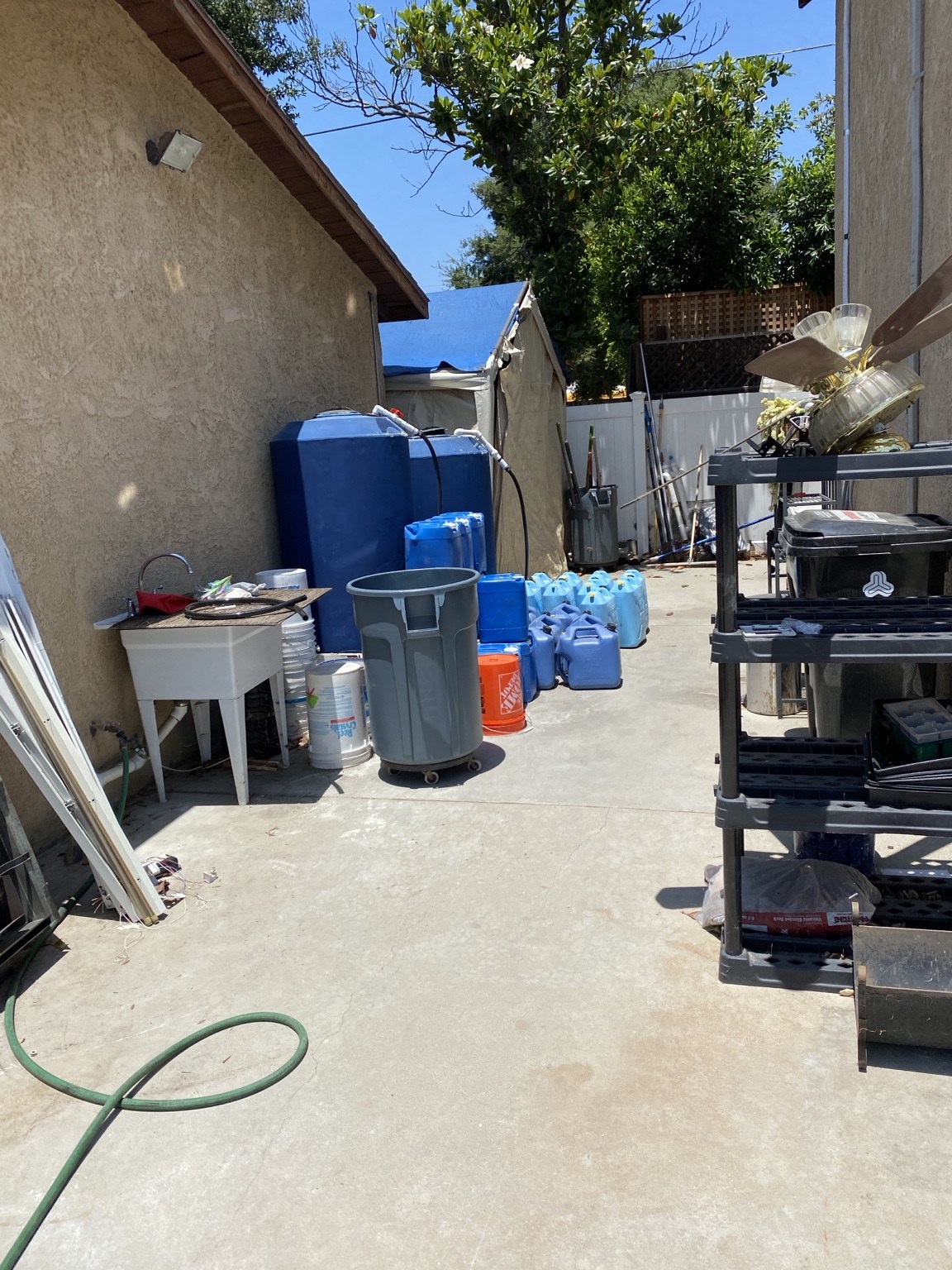
Every morning meant driving from Palmdale to Van Nuys to meet Serge Travkin, owner of a small aquarium maintenance company called Reef Playground, which he ran out of a tent in his parents' backyard.
Serge was another personality entirely. His philosophy was basically, “Don't tell the client we don't know. Figure it out.” So that's what we did.
Reef Playground was essentially the two of us rolling around greater Los Angeles building, stocking, cleaning and repairing anything involving water that somebody was willing to pay us to touch. Reef tanks, freshwater tanks, ponds, fountains. At one point a normal day could mean five or six clients, five days a week.
Serge taught me how to plumb, but the more important lesson was learning how to approach something I'd never seen before and work backwards until it made sense.
Sometimes that process went beautifully. Sometimes it absolutely did not.
We made a LOT of mistakes, but we learned quickly, and it was probably some of the most fun I've ever had working.
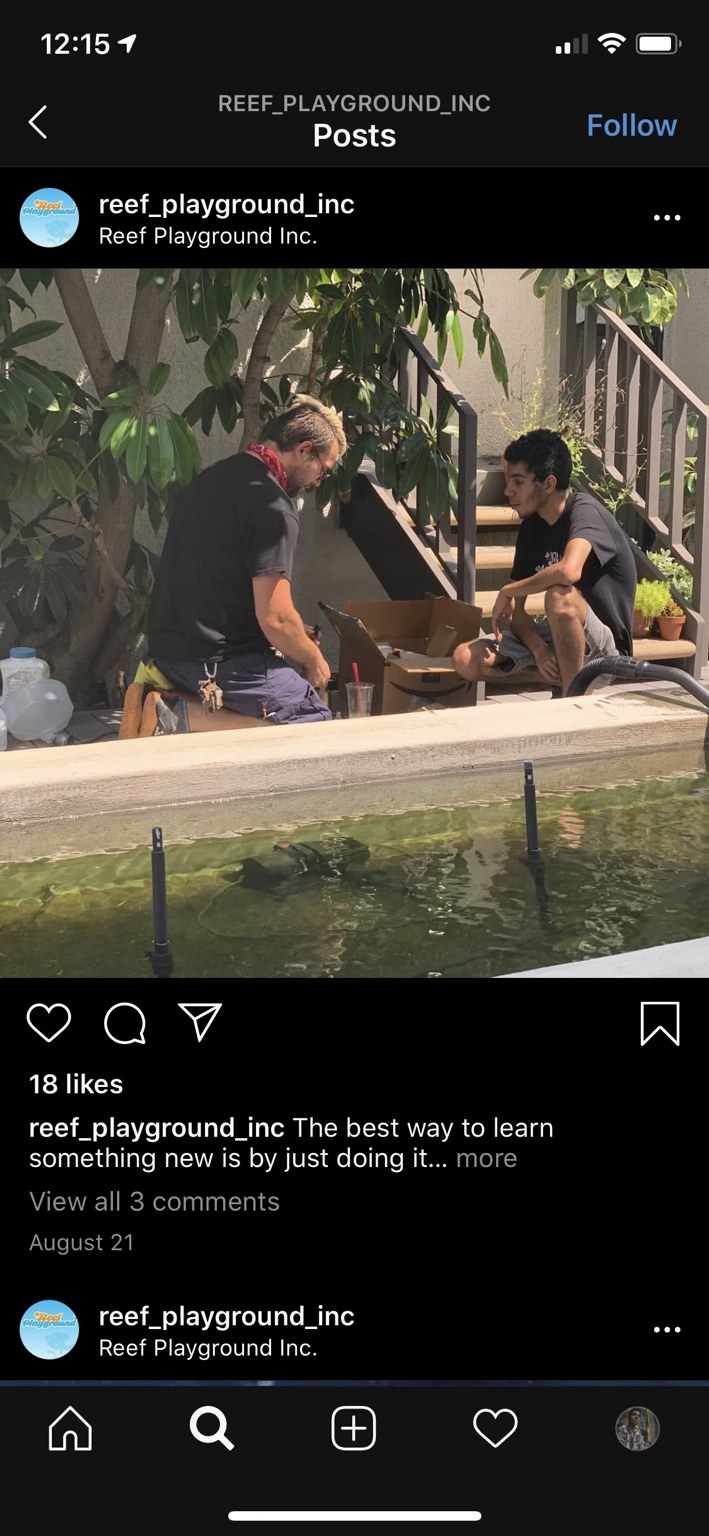
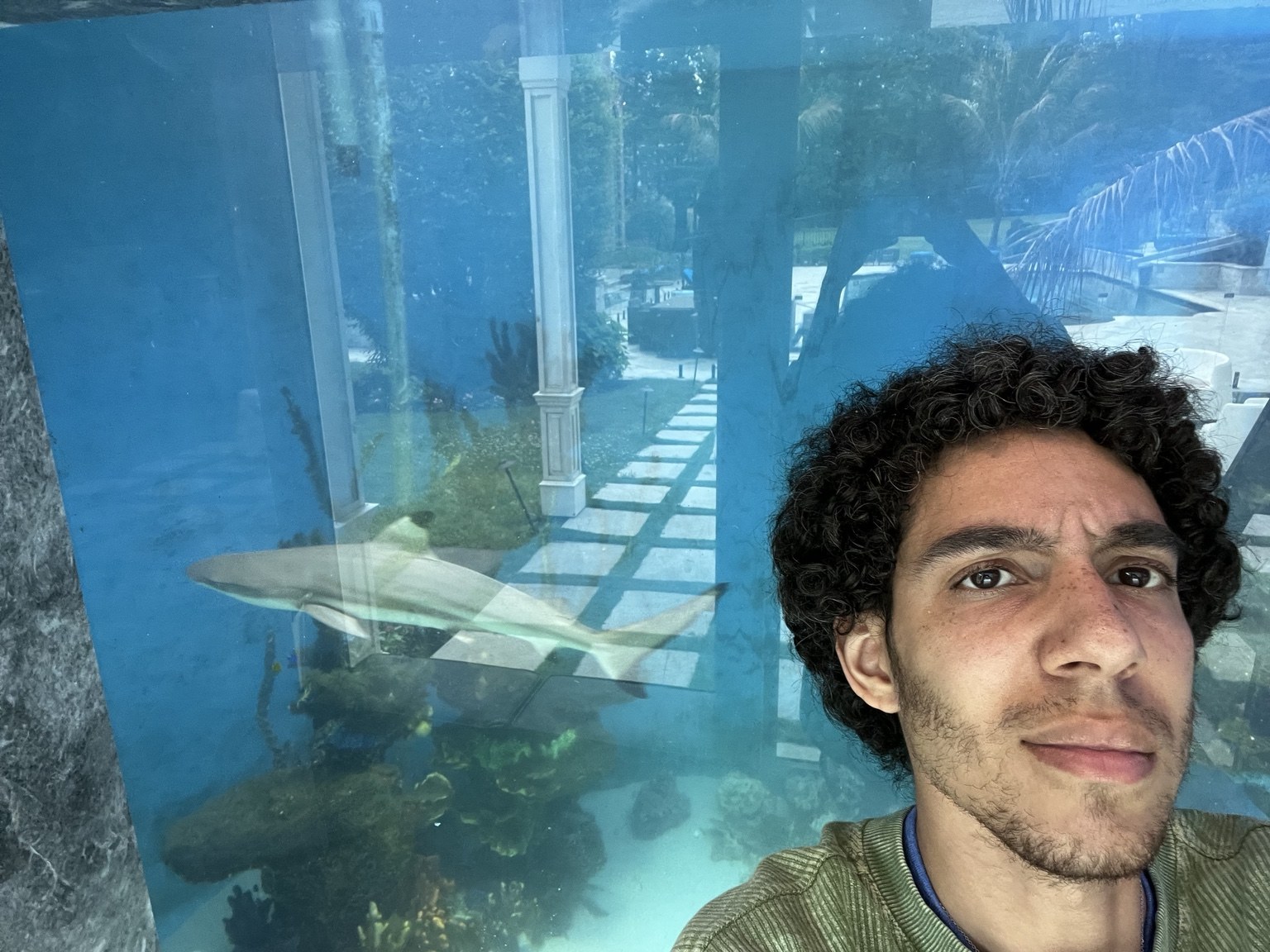
Aquarium maintenance in Los Angeles also has a strange way of getting you into places you'd otherwise never see. Our clients included César Giraldo, Ty Burrell, Alan Tudyk, Sugar Ray Leonard and Diane Warren. We even worked at one of the smaller Playboy properties after Hugh Hefner died and parts of the surrounding estate were being auctioned.
There were movie shoots, mansions, businesses, fountains and some extremely questionable rooms in Hollywood. After a while, you stop asking questions.
Planted tanks and the move home
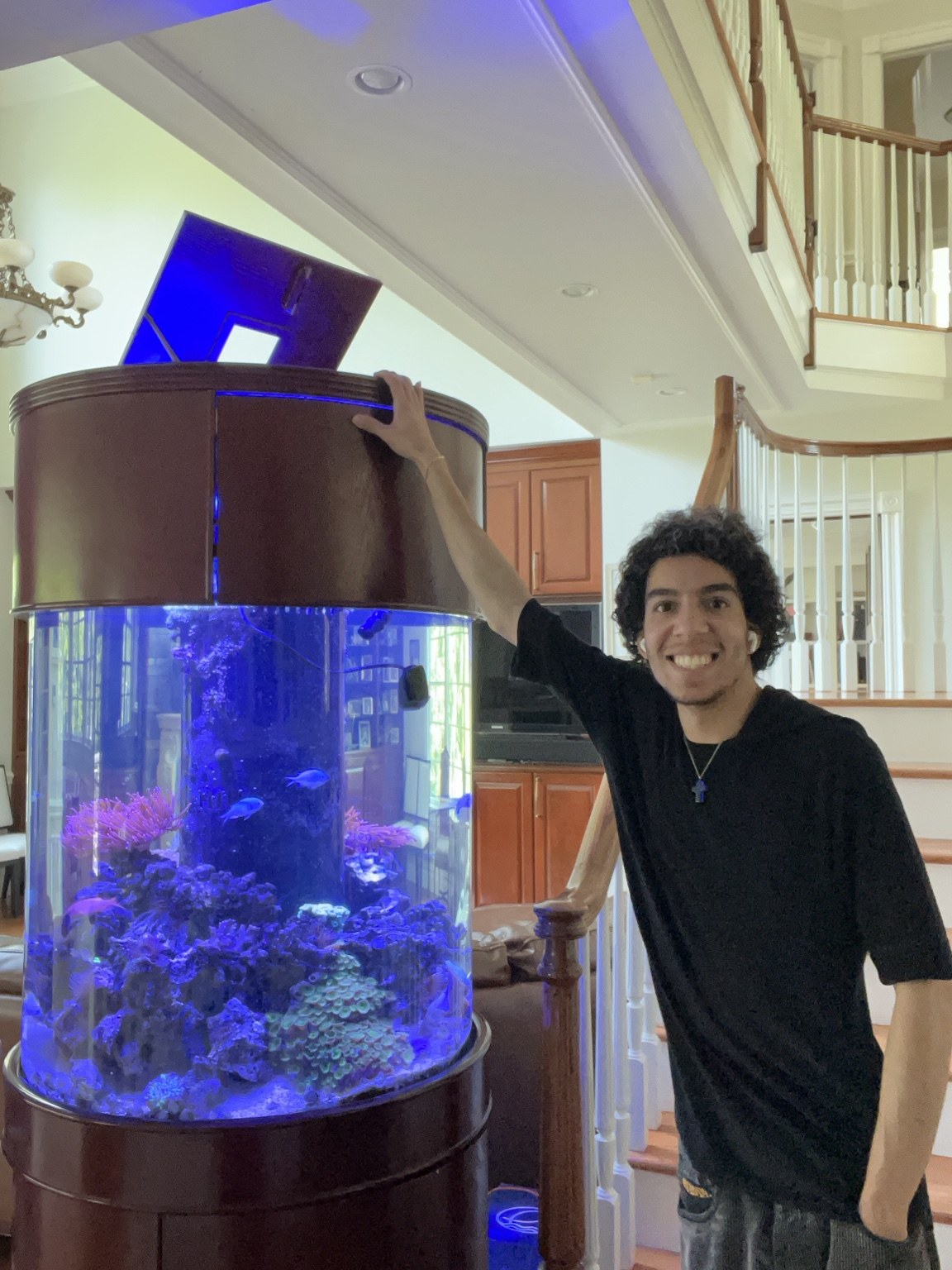
The funny part is that while I was maintaining saltwater aquariums professionally, keeping one of my own was almost impossible. I moved constantly, and reef tanks don't exactly appreciate a nomadic lifestyle.
High-tech planted tanks became my thing instead. They scratched a completely different itch. A tiny aquarium could become this ridiculously complicated little ecosystem with CO₂, intense lighting, filtration, fertilization and careful plant selection, while still being incredibly clean and streamlined.
That interest eventually led me to Ultum Nature Systems and Buce Plant. I figured if planted aquariums were going to be my personal obsession, I might as well spend some time around people who had built an entire business around them.
I spent about a year there before life eventually brought me back home to New Jersey.
New York
Back on the East Coast, the next chapter was City Aquarium in New York.
It was a return to aquarium maintenance, just in a very different environment. Penthouses, skyscrapers, offices and some genuinely ridiculous private systems became normal. The client list included people like Michael Bloomberg and Ice-T.
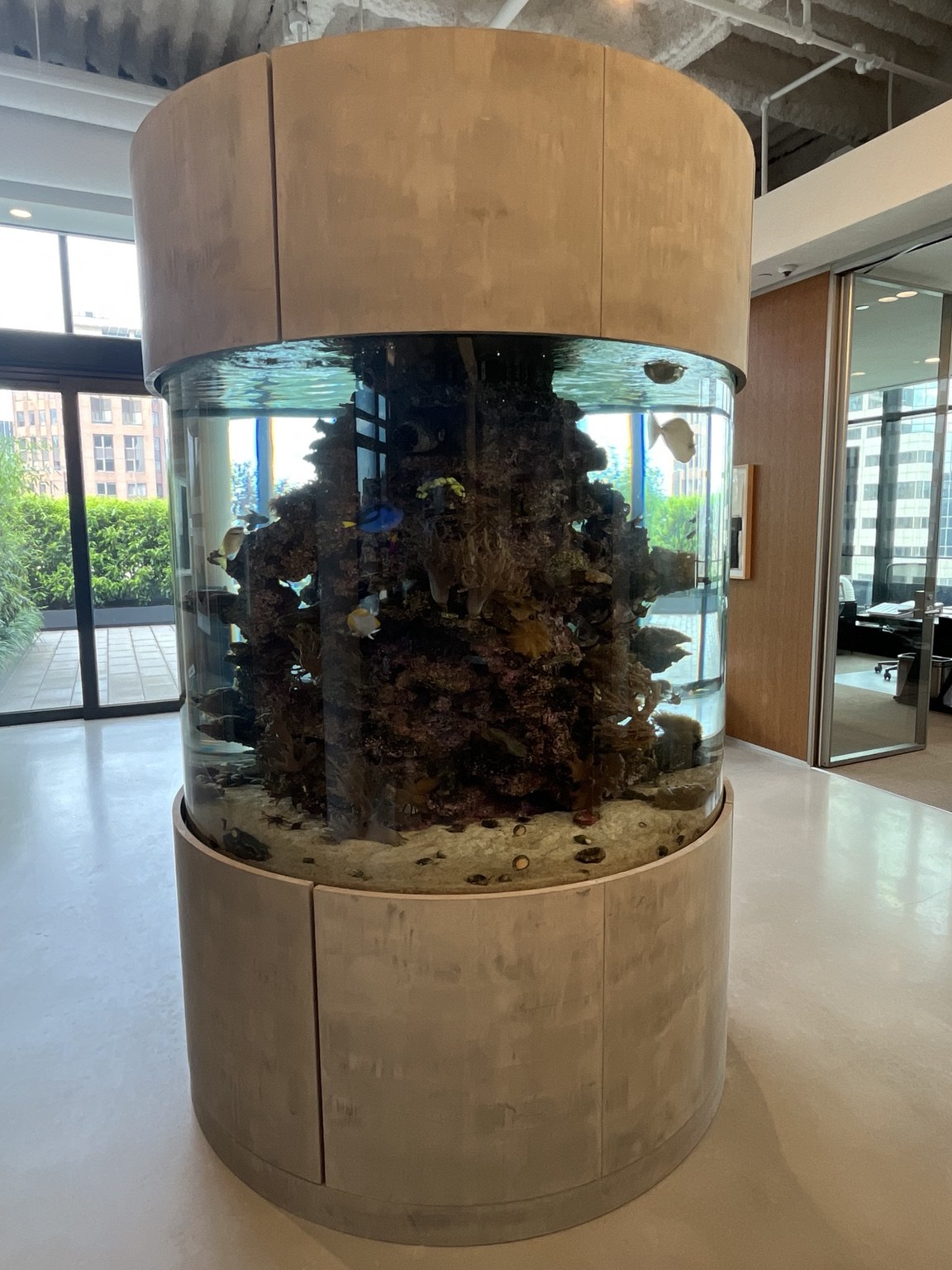
The clients were great. Ownership and I didn't exactly see eye to eye. So that chapter was relatively short.
Jawz Aquarium came next, and that's where reef systems became a much larger part of my everyday work. More coral, more automation, more Neptune Systems equipment, more complicated life-support systems and another step upward in scale. One of the substantial clients I worked with during that period was Tracy Morgan.
Scaling up
By that point, though, there was an obvious gap in my experience.
Fish stores had taught me the animals. Maintenance taught me plumbing and troubleshooting. Planted tanks taught me precision and control. Reef systems introduced another level of chemistry and automation.
The next logical question was what happens when you scale all of that up.
A lot.
That question brought me to Liberty Science Center.
Today my work revolves around large public aquarium systems, including two roughly 8,000-gallon Atlantic-themed exhibits and a roughly 5,000-gallon salt marsh, along with the back-of-house life-support and quarantine systems that keep everything running.
At that scale, the relationship between the animal and the machinery keeping it alive becomes impossible to ignore. A clogged pipe, failed pump, air leak, temperature change or oxygen problem can stop being a minor inconvenience very quickly when thousands of gallons of water are involved. Plumbing, chemistry, filtration, redundancy and husbandry aren't separate subjects anymore. They're all pieces of the same system.
Alquatics
And that brings me to Alquatics.
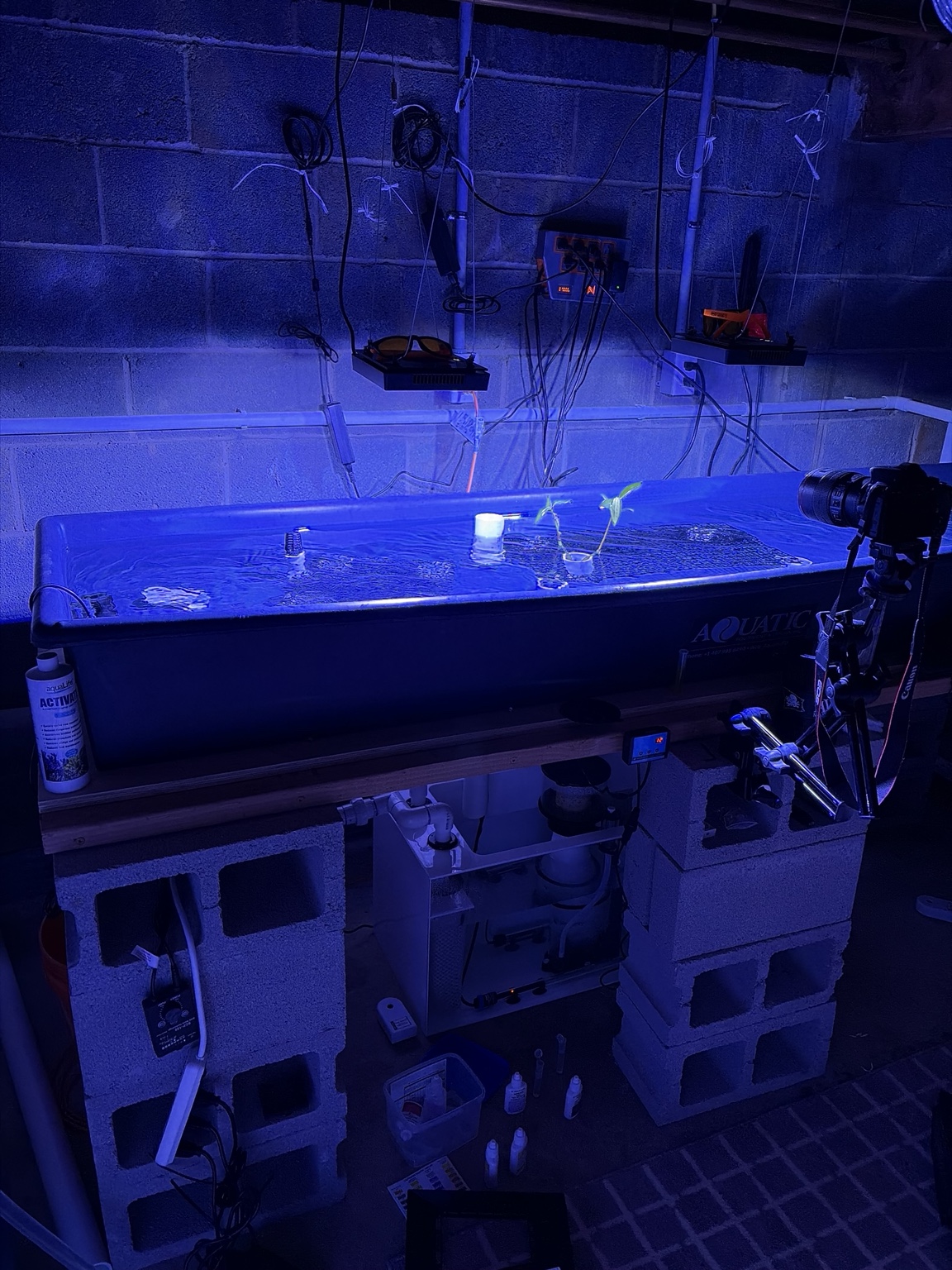
After more than a decade spent working on other people's systems, I wanted to build something that was actually mine.
I don't come from a traditional academic background in marine biology. Most of my education happened behind fish-store counters, underneath aquarium stands, in warehouses, filtration rooms, service vans, mechanical spaces and out in the field.
More importantly, it came from people who were willing to teach me. Some taught me about animals. Some taught me about plumbing. Some taught me how businesses work. Some mostly taught me what not to do. All of it mattered.
Alquatics is where those experiences finally meet. It's a coral farm, a workshop and a place to document the process of building systems, growing coral, collecting data, photographing aquatic life and continuing to learn about animals that have occupied most of my adult life.
There have been floods. There have been dead pumps. There have been questionable plumbing decisions. I've inhaled enough PVC primer to probably lose a few IQ points.
But more than ten years after walking into that touch tank, the part I enjoy most hasn't really changed.
There's something in front of me that I don't completely understand yet.
So I figure it out.